

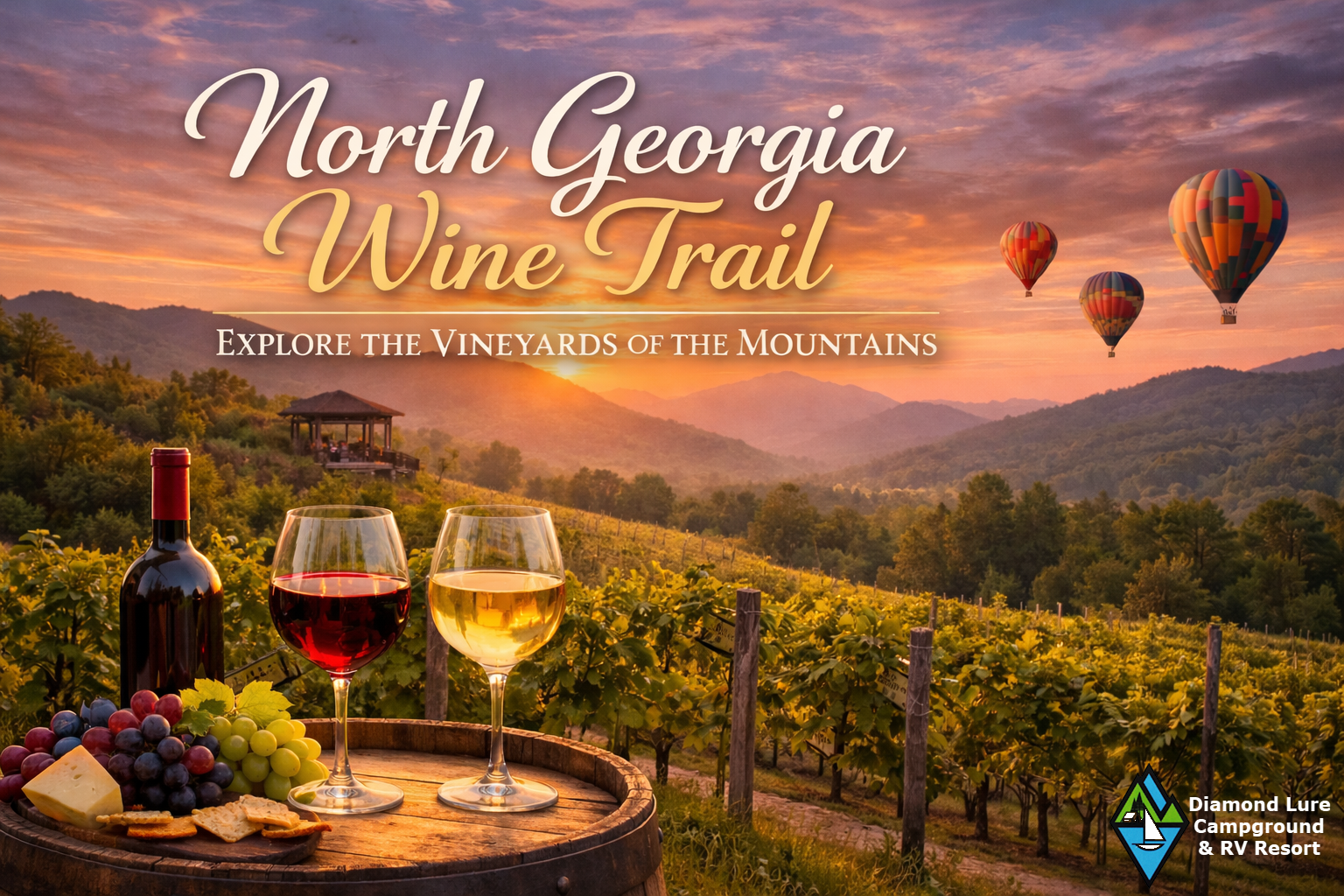
Explore 25+ wineries near Ellijay, GA including Dahlonega & Blue Ridge vineyards. Plan your North Georgia wine tour and stay close to it all.

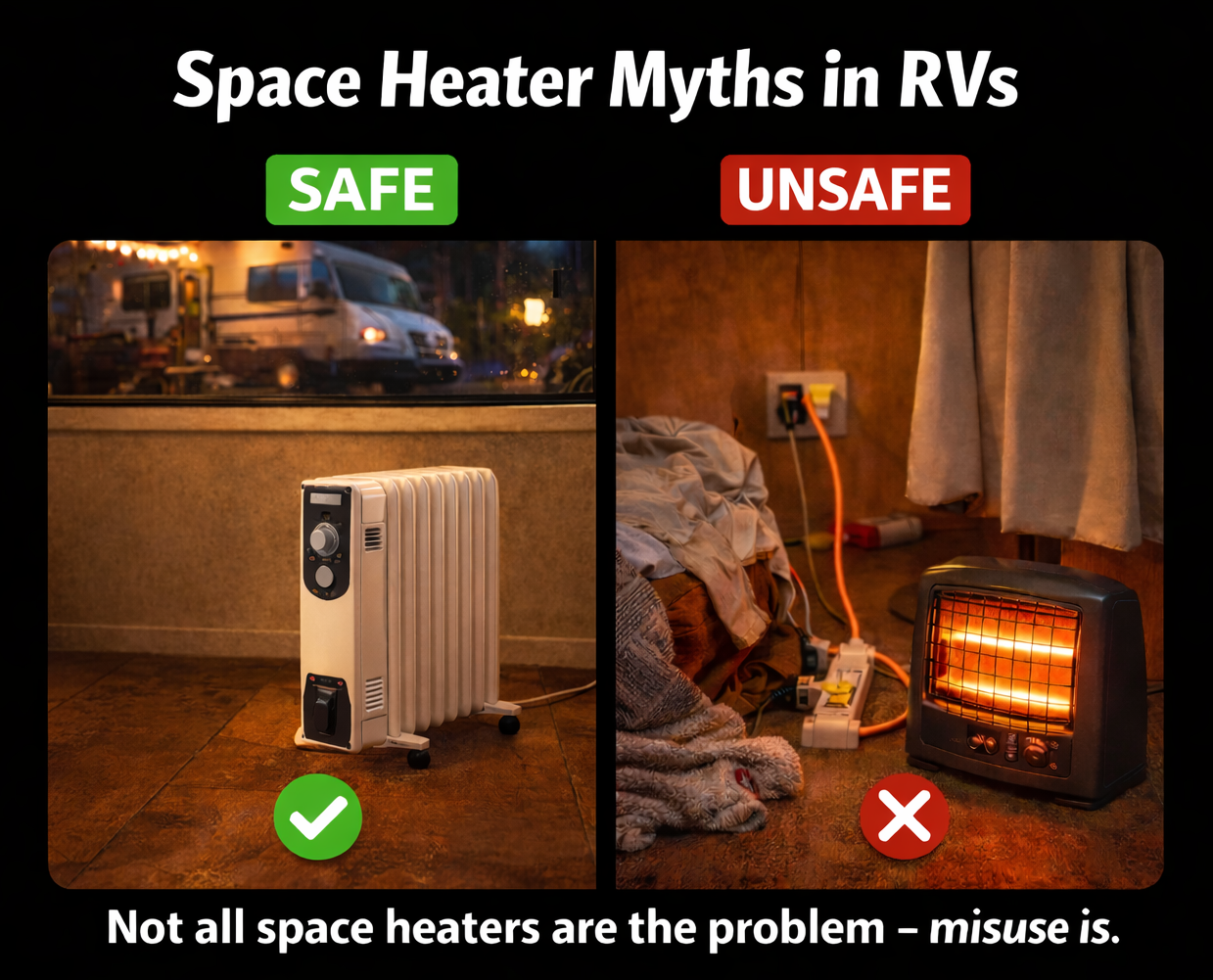
Learn how to keep your RV warm during cold weather without tripping breakers. Smart heating tips, space heater safety, and power-saving advice for winter RV camping.
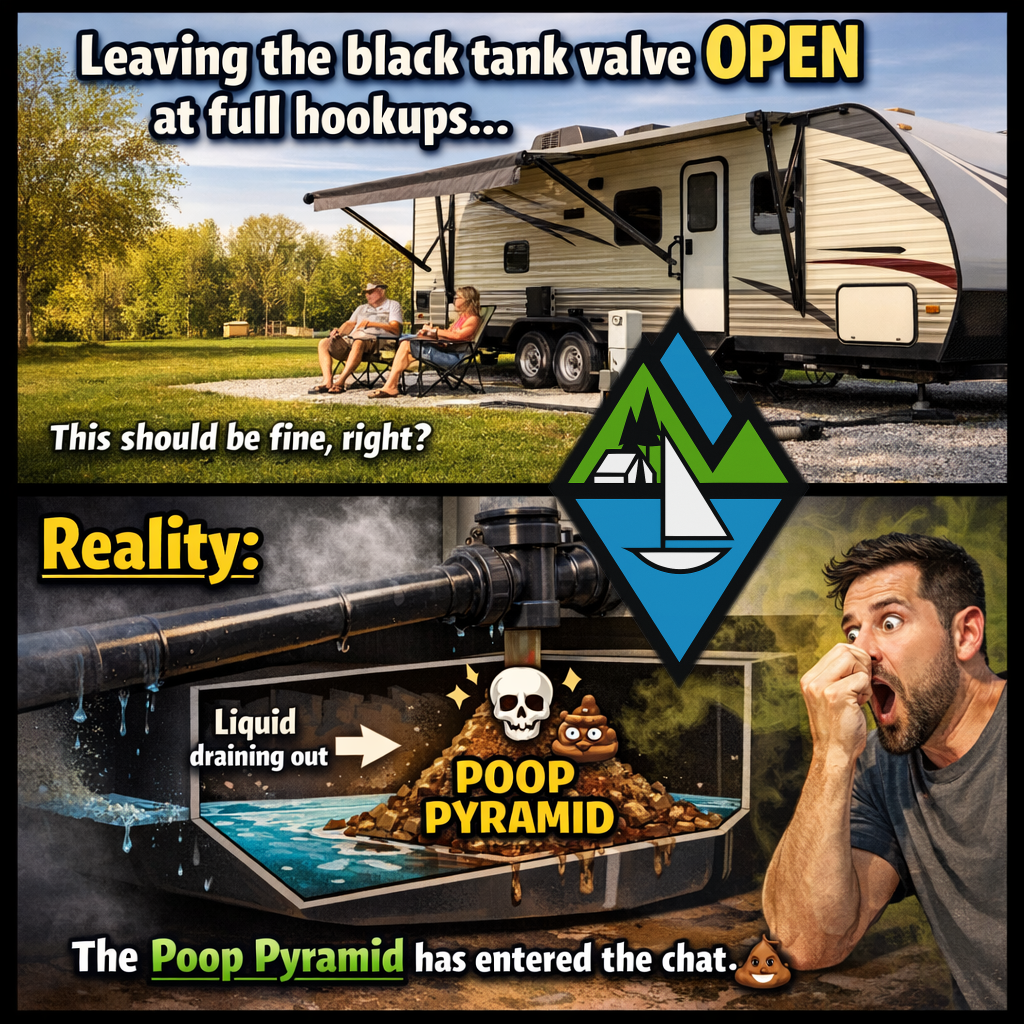
Should you leave your RV black tank valve open at full hookups? We break down the pros, cons, myths, and how to avoid the dreaded poop pyramid—without ruining your trip.
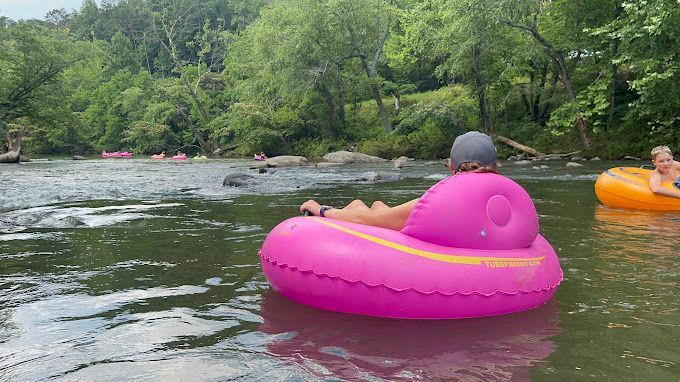
Just a stone’s throw from Diamond Lure Campground, the Cartecay River beckons thrill-seekers with its sparkling rapids and emerald-shaded bends. Tubing or kayaking is just a short drive away!
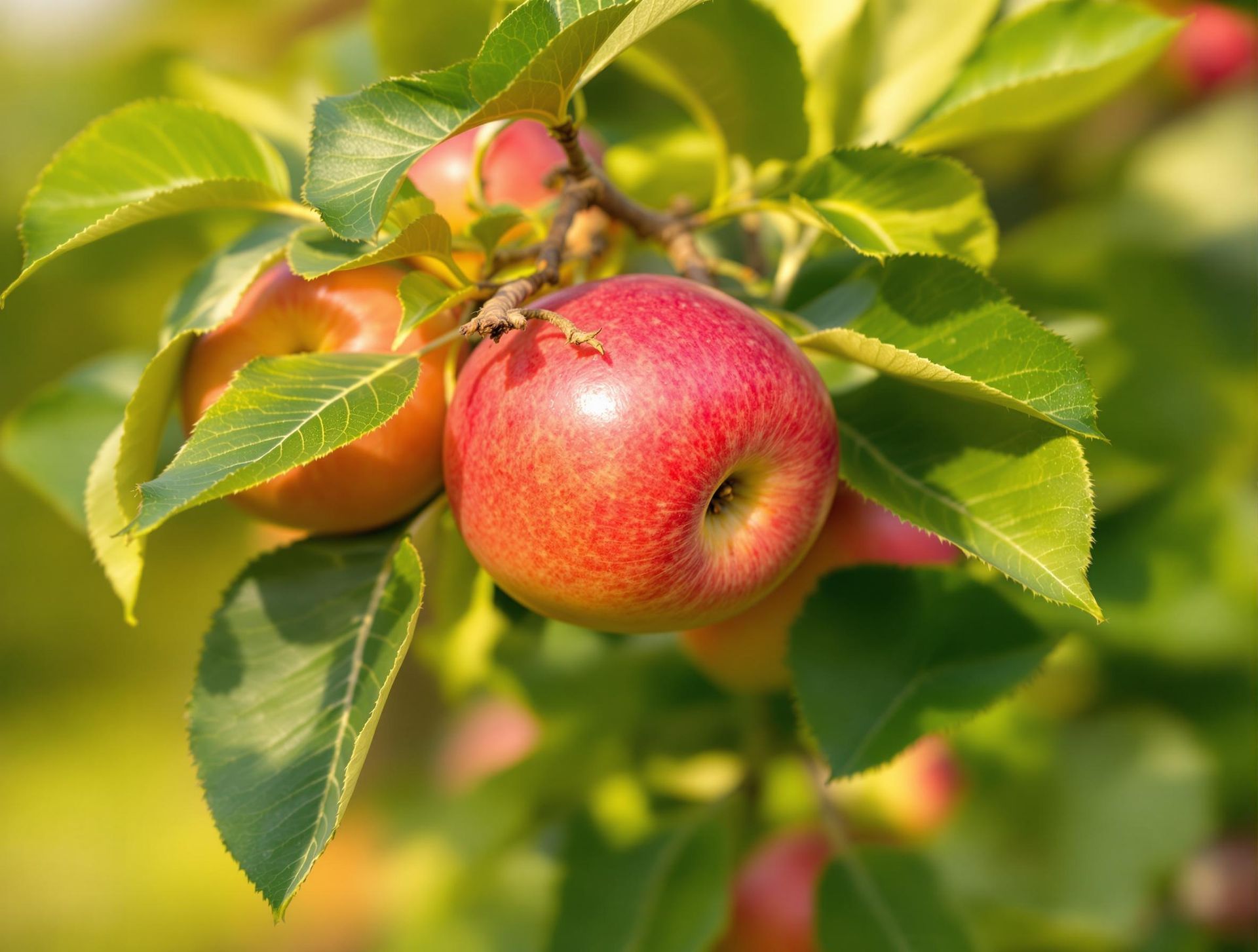
Nestled in the foothills of the North Georgia mountains, Ellijay is a destination that feels like a well-kept secret, rich with history, natural beauty, and a welcoming, small-town spirit. Whether you’re searching for outdoor adventure, local flavors, or a peaceful escape, Ellijay offers a little something for every traveler.
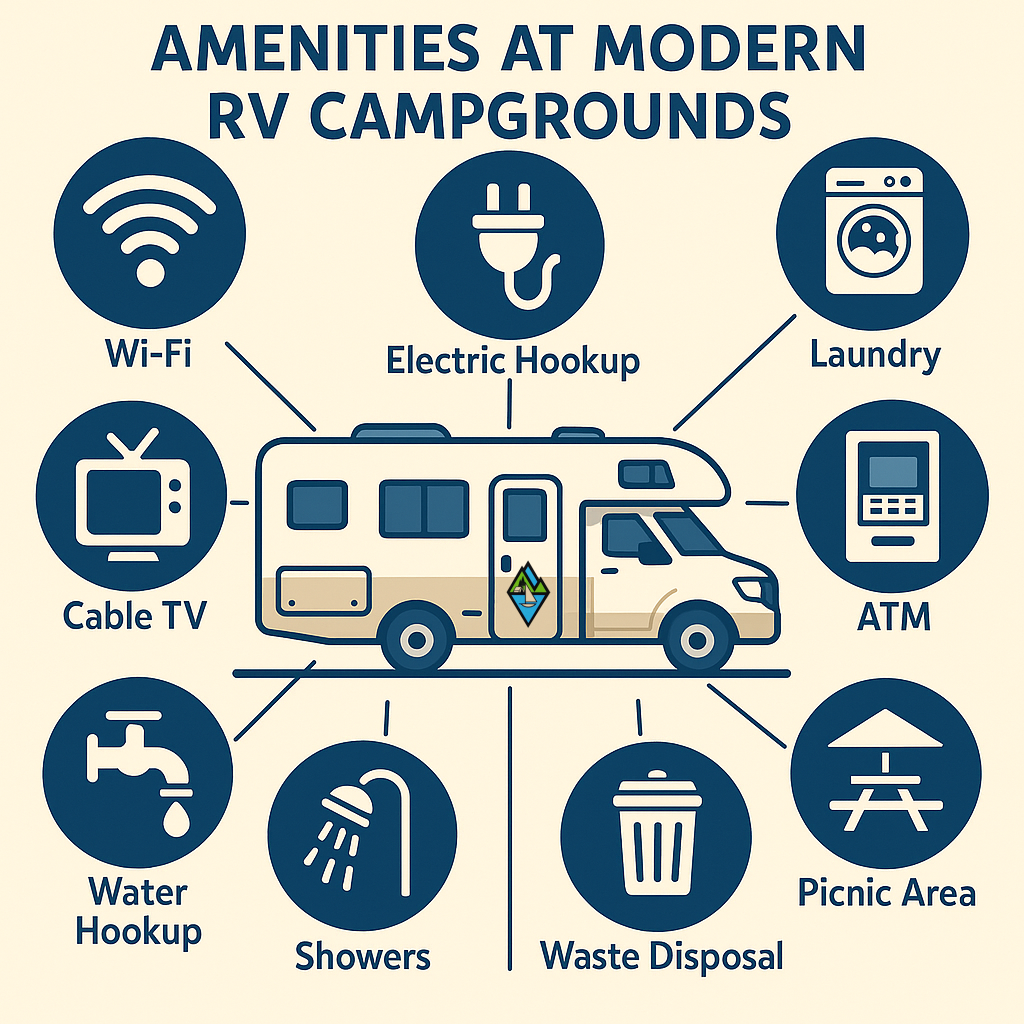
The rise of RVing is more than a trend—it’s a movement that’s reshaping how we connect with nature and each other. At Diamond Lure, we’re proud to offer the amenities and atmosphere that today’s campers crave, all in a setting that’s “The Best Kept Secret in North Georgia.” Come see for yourself how modern camping can feel like coming home.
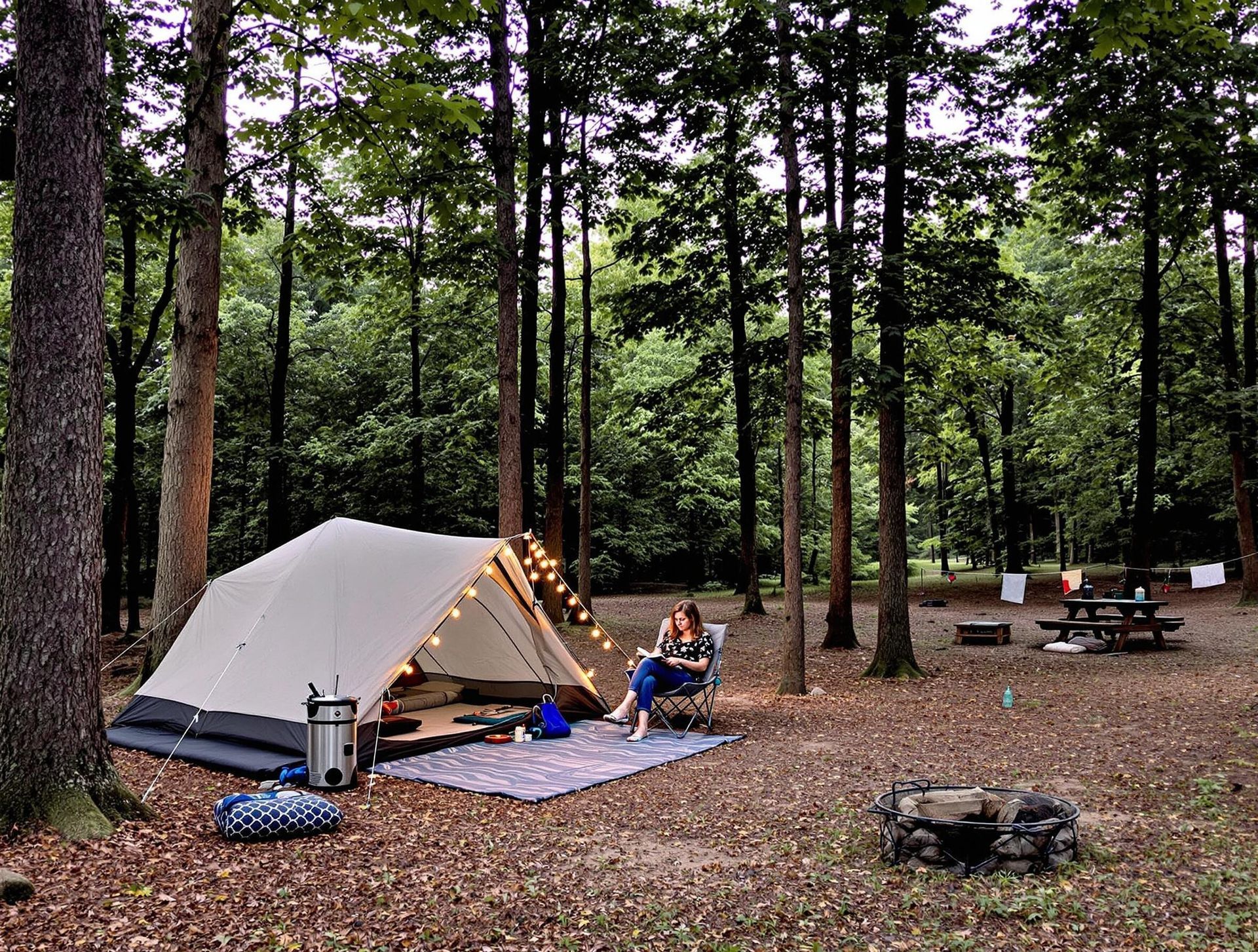
Discover expert tent camping tips that go beyond the basics—covering site selection, gear hacks, food safety, and comfort strategies for a smoother, more enjoyable outdoor experience. Whether you’re a first-timer or a seasoned camper, these pro insights will help you get the most out of your next adventure under the stars.
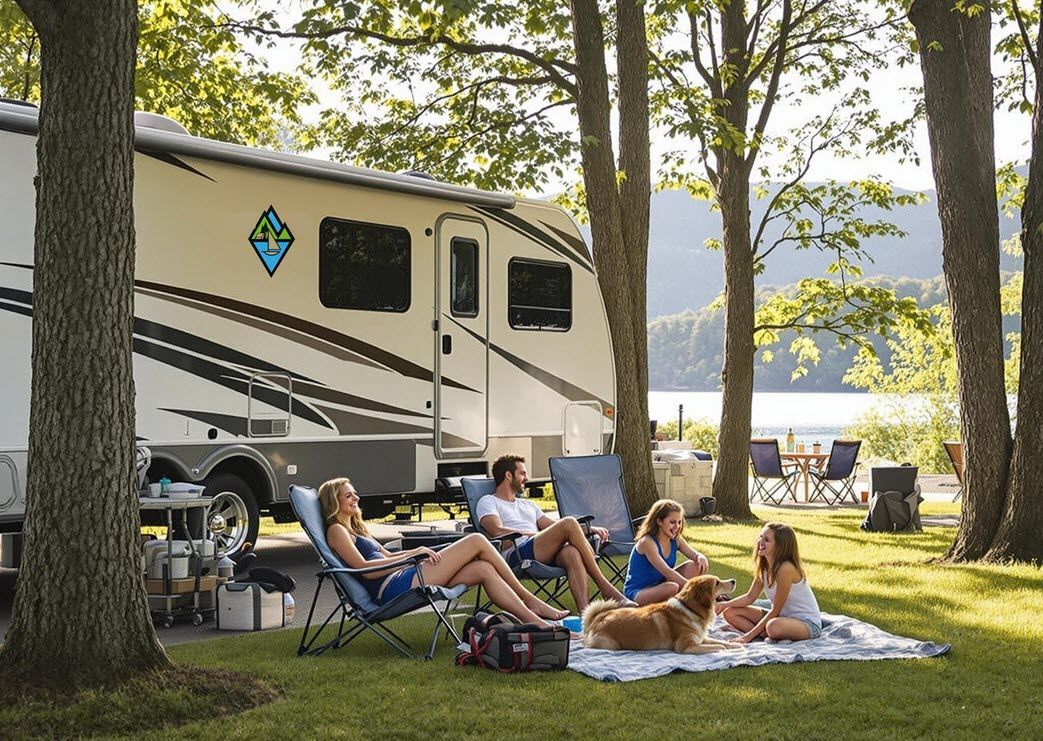
Summer is the perfect time to unplug, reconnect with nature, and make lasting memories—and there’s no better place to do it than Diamond Lure Campground & RV Resort in Ellijay, GA. Nestled in the foothills of the Smoky Mountains, our family-owned campground has been “The Best Kept Secret in North Georgia” since 1973, offering a peaceful retreat and a true taste of Southern hospitality.
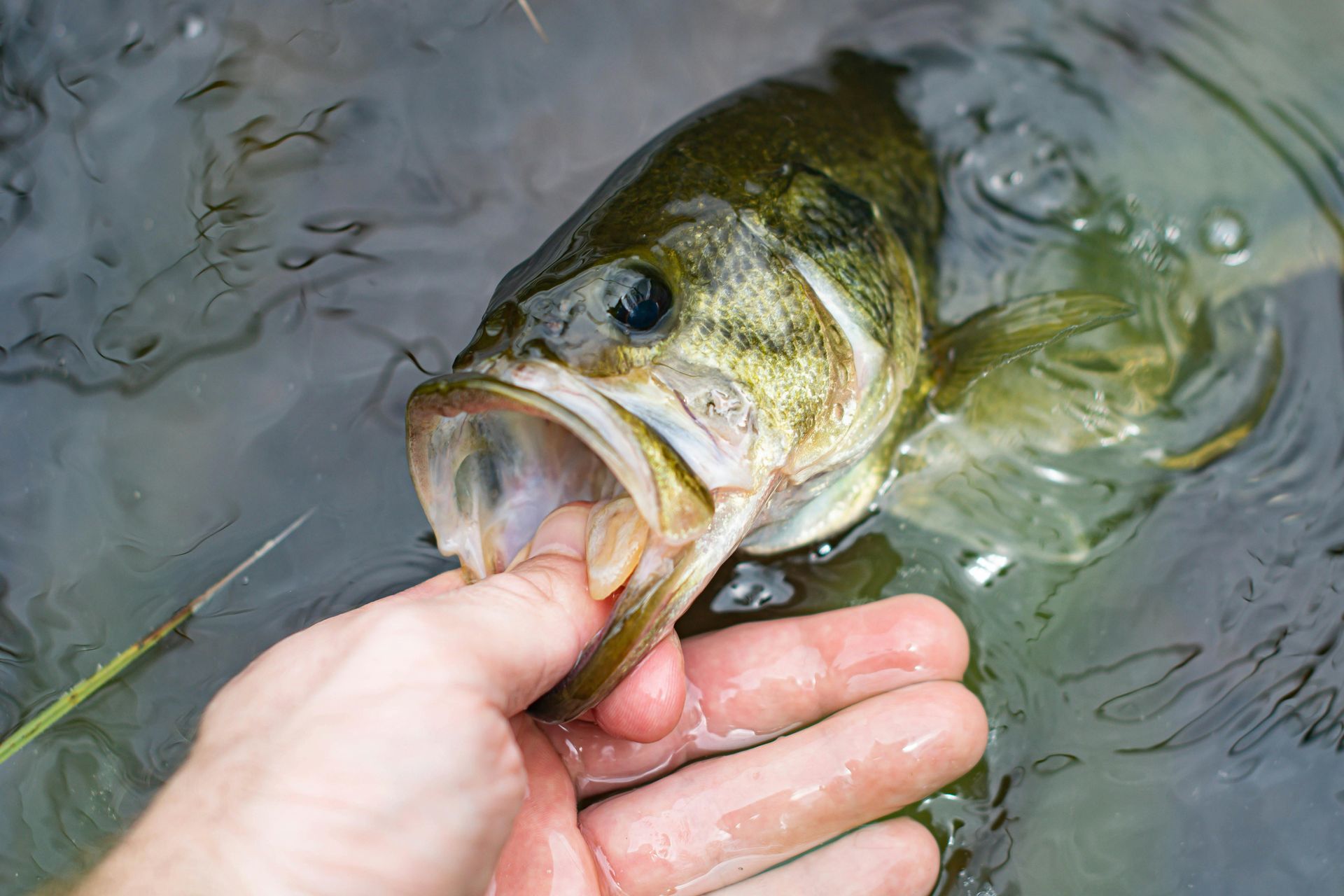
Our lake offers a unique fishing experience you won’t find anywhere else. With its steam & spring-fed waters and peaceful surroundings, it’s the perfect spot for both seasoned anglers and beginners.